
DIY Sliding Door Maintenance Tips: What to Do When Your Sliding Door Loses Smoothness
Your sliding door should glide effortlessly, but when it sticks or grinds, it becomes a constant frustration. DIY sliding door maintenance tips can restore smoothness, save repair costs, and extend door lifespan while you decide if professional help is needed. In this guide, you’ll learn why doors lose smooth operation, step-by-step cleaning and lubrication methods, when to replace rollers or tracks, preventative care strategies, cost considerations, and how to schedule expert service with a free consultation from StuckDoor.com.
Why Is My Sliding Door Hard to Open or Losing Smoothness?
A sliding door loses smoothness when friction increases between components, making manual operation strenuous. Dirt buildup, worn rollers, and misalignment all contribute to obstruction, leading to grinding noises and uneven movement. Understanding these root causes clarifies why targeted maintenance restores effortless operation and prepares you for cleaning, lubrication, or repair.
What Common Issues Cause Sliding Doors to Stick or Jam?
Several factors impede door movement:
- Debris lodged in the track prevents rollers from gliding freely.
- Corroded or damaged rollers generate uneven rotation.
- Misaligned door frames create binding points at the top or bottom.
Identifying the exact cause helps you choose the right maintenance step or decide when expert repair is required.
How Do Dirty Tracks Affect Sliding Door Smoothness?
A track loaded with dust, sand, or leaves increases friction and blocks roller wheels. Over time, accumulated debris embeds into aluminum channels, causing scratch marks and uneven pathways. Clearing these obstructions is the first step toward smooth operation and sets the stage for proper lubrication.
Why Do Worn or Damaged Rollers Impede Door Movement?
Rollers with flattened bearings or cracked nylon coatings fail to roll smoothly, dragging against the track surface. Excessive wear introduces lateral play, making the door wobble or jump. Replacing rollers with quality, ball-bearing units eliminates this friction and restores consistent sliding motion.
How Does Sliding Door Misalignment Cause Operational Problems?
When door panels shift out of vertical alignment, edges bind against the frame. Misalignment often results from loose adjustment screws, house settling, or bent tracks. Realigning the door restores perpendicular movement, preventing binding and uneven wear on rollers and tracks.
How Can I Clean and Maintain Sliding Door Tracks for Smooth Operation?

Cleaning Sliding Door Tracks
Cleaning sliding door tracks is a foundational maintenance task that removes friction-causing debris and prepares components for lubrication [2, 9]. The best way to clean sliding door tracks is with mild detergent or dish soap [2].
Maid2Match, “How To Clean Sliding Door Tracks” (2025)
This source supports the article’s step-by-step methods for cleaning sliding door tracks, emphasizing the importance of this maintenance task.
What Are the Step-by-Step Methods to Clean Sliding Door Tracks?
Follow these steps to clear and prep your track:
- Remove bottom door panel: Lift and tilt outward to disengage rollers.
- Vacuum loose debris: Use a crevice tool to extract sand and grit.
- Scrub with mild detergent: Apply soapy water and scrub track walls with a stiff brush.
- Rinse and dry: Wipe moisture completely to prevent corrosion.
- Inspect track condition: Look for bends or deep scratches before reinstallation.
Clearing the path in this way ensures that lubrication reaches every moving part smoothly.
Which Tools and Materials Are Needed for Track Cleaning?
Before you begin, gather:
- Vacuum cleaner with nozzle attachment
- Stiff nylon brush or old toothbrush
- Mild dish soap and warm water
- Lint-free cloths or paper towels
- Flathead screwdriver (for removing panels)
Equipped with these tools, you’ll tackle tight corners and prepare the track for lubrication in minutes.
How Often Should Sliding Door Tracks Be Cleaned?
Routine cleaning intervals:
- Monthly: Remove surface dust and debris.
- Quarterly: Deep clean with detergent and brush.
- Annually: Inspect for wear or deformities and consider professional track realignment if needed.
Consistent cleaning prevents buildup that leads to sticking and prepares the door for smooth, lubricated operation.
What Is the Best Way to Lubricate Sliding Doors for Smooth Movement?
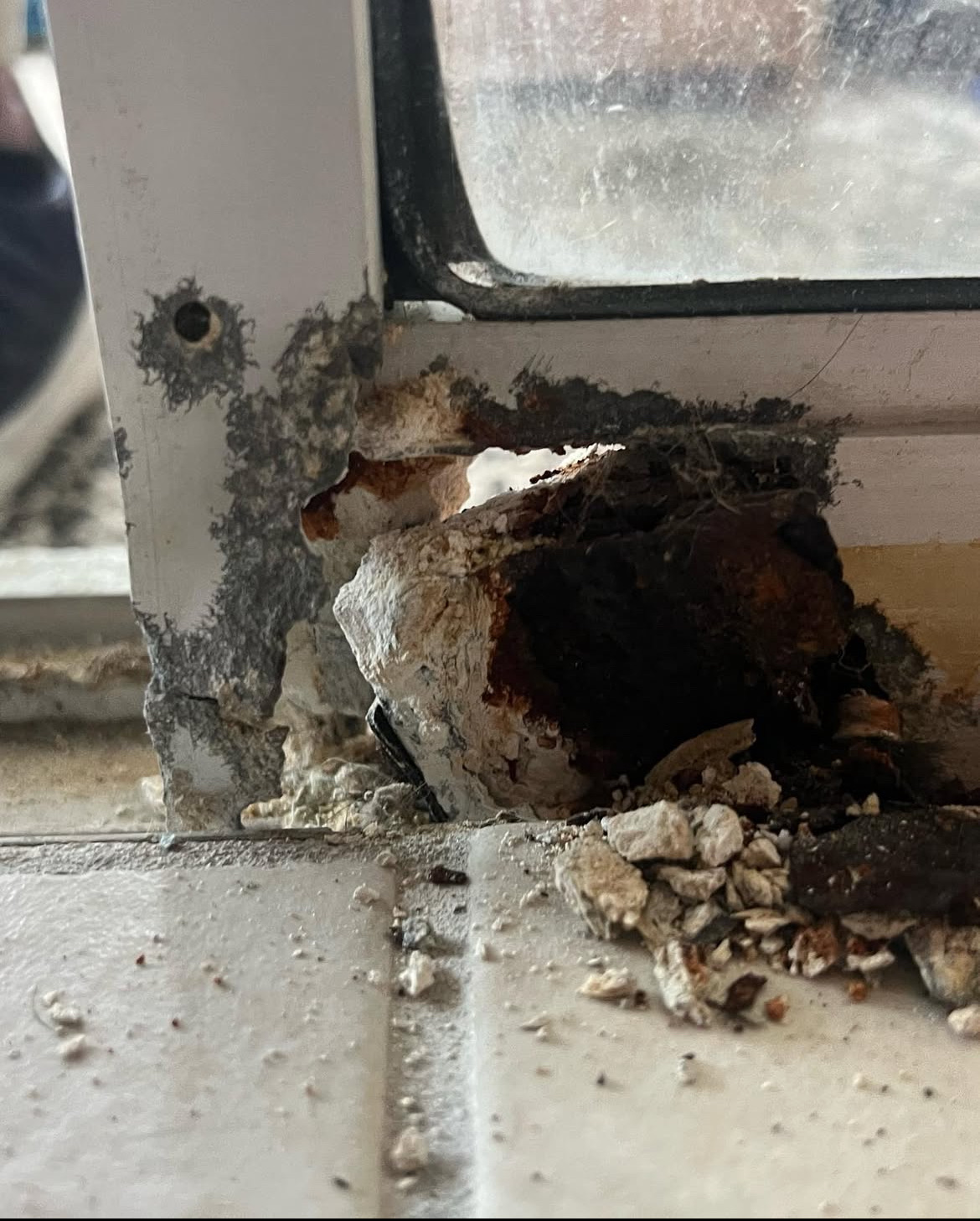
Proper lubrication reduces friction between rollers and tracks, directly improving sliding ease and minimizing wear. Applying the right product in the correct locations ensures lasting smoothness without attracting new debris.
Which Lubricants Are Recommended for Sliding Door Tracks and Rollers?
| Lubricant Type | Key Characteristic | Best Use Case |
|---|---|---|
| Silicone Spray | Non-staining, dirt-resistant | Tracks and roller bearings |
| Dry Graphite Powder | Low dust attraction | Heavy-duty commercial doors |
| PTFE (Teflon) Spray | Long-lasting film | High-traffic sliding door systems |
How Do I Properly Apply Lubricant to Sliding Door Components?
- Clean and dry track and rollers thoroughly.
- Spray lubricant sparingly along the entire track length.
- Apply 2–3 short bursts directly to roller bearings.
- Cycle the door back and forth 10 times to distribute the lubricant evenly.
- Wipe away any excess to prevent dust accumulation.
Following this process ensures uniform coverage and immediate improvement in door glide.
Why Should WD-40 and Oil-Based Lubricants Be Avoided?
Oil-based sprays attract airborne dust and create a sticky residue that compounds friction over time. WD-40’s solvent base cleans but does not provide a lasting lubricating film, leading to recurring sticky operation. Choosing silicone or PTFE solutions prevents these unintended drawbacks.
When Should I Replace or Repair Sliding Door Rollers and Tracks?
Replacing or repairing components becomes necessary when wear or damage exceeds DIY maintenance capacity. Recognizing these thresholds prevents safety hazards and costly full-door replacements.
How Can I Diagnose Worn or Broken Sliding Door Rollers?
Signs of roller failure include:
- Grinding noise during movement.
- Visible flat spots or jagged edges on wheel surfaces.
- Excessive side play in the door panel.
Replacing rollers at the first sign of wear avoids track damage and ensures consistent smoothness.
What Are the Signs of Bent or Damaged Sliding Door Tracks?
Bent tracks often exhibit:
- Gaps between roller and track ridge.
- Scratches or gouges along the channel floor.
- Door panels binding at specific points.
If tracks remain deformed after cleaning, professional reshaping or replacement is recommended.
When Is Professional Repair Necessary for Sliding Door Issues?
Seek expert service if you encounter:
- Cracked or shattered glass panels.
- Severely bent tracks that manual straightening cannot fix.
- Frame misalignment requiring specialized tools or adjustments.
Local technicians from StuckDoor.com offer precise diagnosis and safe repairs that restore operation and comply with safety standards.
What Are Preventative Maintenance Tips to Keep Sliding Doors Smooth?
Preventative care extends the life of your sliding doors, reduces emergency repairs, and lowers overall maintenance costs by catching minor issues early.
How Often Should I Lubricate and Inspect Sliding Door Components?
Recommended intervals:
- Lubrication: Every three months to maintain low friction.
- Inspection: Monthly eye-check for debris, wear, or misalignment.
Maintaining this schedule preserves smoothness and prevents progressive damage.
What Routine Cleaning Practices Extend Sliding Door Lifespan?
Daily to monthly upkeep practices:
- Wipe track surfaces with a dry cloth weekly.
- Remove visible debris before it embeds in the channel.
- Keep weatherstripping clean to avoid door binding.
Consistent attention to these tasks prevents costly wear on rollers and tracks.
How Does Regular Maintenance Save Repair Costs?
Investing in routine cleaning and lubrication prevents:
- Roller replacement fees by avoiding premature wear.
- Track realignment or replacement costs by minimizing deformation.
- Full door replacement by preserving structural integrity.
Proactive care reduces emergency service calls and extends component life substantially.
How Much Does Sliding Door Repair Cost and What Are My Options?
What Is the Average Cost Range for Common Sliding Door Repairs?
| Repair Type | Cost Range | Benefit |
|---|---|---|
| Roller Replacement | $150 – $300 | Restores smooth wheel operation |
| Track Repair or Realignment | $200 – $450 | Corrects binding and misalignment |
| Glass Panel Replacement | $250 – $800 | Replaces damaged glazing safely |
Cost of Sliding Door Repair
The cost of sliding glass door repair can vary widely, with most homeowners paying between $150 and $800 for repairs, and labor rates ranging from $50 to $100 per hour [1, 7]. Repairing can extend your door’s lifespan, but replacement offers the latest features and improved insulation [7].
HomeAdvisor, “How Much Does Sliding Glass Door Repair Cost? [2025 Data]” (2025)
This source provides information on the average cost range for common sliding door repairs, which supports the article’s section on cost considerations.
How Does Repair Compare to Full Sliding Door Replacement?
Repair vs. replacement analysis:
- Repair preserves original door frame and glass, reducing cost by up to 70%.
- Replacement offers new components but can exceed $1,200 for premium doors.
Choosing repair when possible delivers cost-effective, environmentally friendly results.
Are There Affordable Sliding Door Maintenance Plans Available?
- Quarterly service contracts starting around $100 per visit.
- Annual maintenance packages with discounted repair rates.
- Customized plans for commercial property managers that include emergency service.
Where Can I Find Professional Sliding Door Repair Services in Central Florida?
When DIY tasks are inadequate, local expertise and convenience matter. StuckDoor.com specializes in residential and commercial door repair across Central Florida, offering licensed technicians, rapid response, and free estimates.
What Sliding Door Repair Services Are Offered for Residential and Commercial Doors?
Our service portfolio includes:
- Roller and track replacement for patio and storefront doors.
- Glass panel and frame repair for sliding glass systems.
- Preventative maintenance contracts for high-traffic commercial applications.
Expert teams work with all door materials (vinyl, aluminum, wood) to restore smooth operation.
How Do I Schedule a Free Consultation or Repair Appointment?
- Visit the Stuck Door website
- Fill out the consultation form or call our local hotline.
- Select a convenient appointment time.
Technicians arrive on schedule ready to diagnose and present a no-obligation estimate.
Why Choose Local Experts for Sliding Door Repair in Central Florida?
Local technicians offer:
- In-depth knowledge of Florida humidity effects on door components.
- Fast dispatch to Orlando, Kissimmee, Sanford, and surrounding areas.
- Cost-effective solutions that emphasize repair over replacement.
Supporting a local service ensures timely response and community-driven reliability. When cleaning and lubrication stop being enough, the two jobs that actually restore the glide are roller replacement and track repair.
Restoring smooth sliding door operation begins with simple cleaning and lubrication, and knowing when to call in professionals ensures safety and longevity. Whether you tackle DIY sliding door maintenance tips yourself or arrange a free consultation with us at StuckDoor.com, taking action now prevents bigger problems later. Count on expert diagnosis, transparent pricing, and convenient Central Florida service to keep your doors gliding smoothly year-round.
______________
P.S. From Luis, Owner of Stuck Door
Hey, I’m Luis, the owner of Stuck Door. Before this, I worked in law enforcement, where attention to detail and doing things right the first time were non-negotiable. That mindset carries over into everything we do. When it comes to sliding glass door repairs, glass replacement, or screen installs from us, you can expect straightforward service, quality work, and a crew that shows up and gets the job done right. You’re in good hands here.